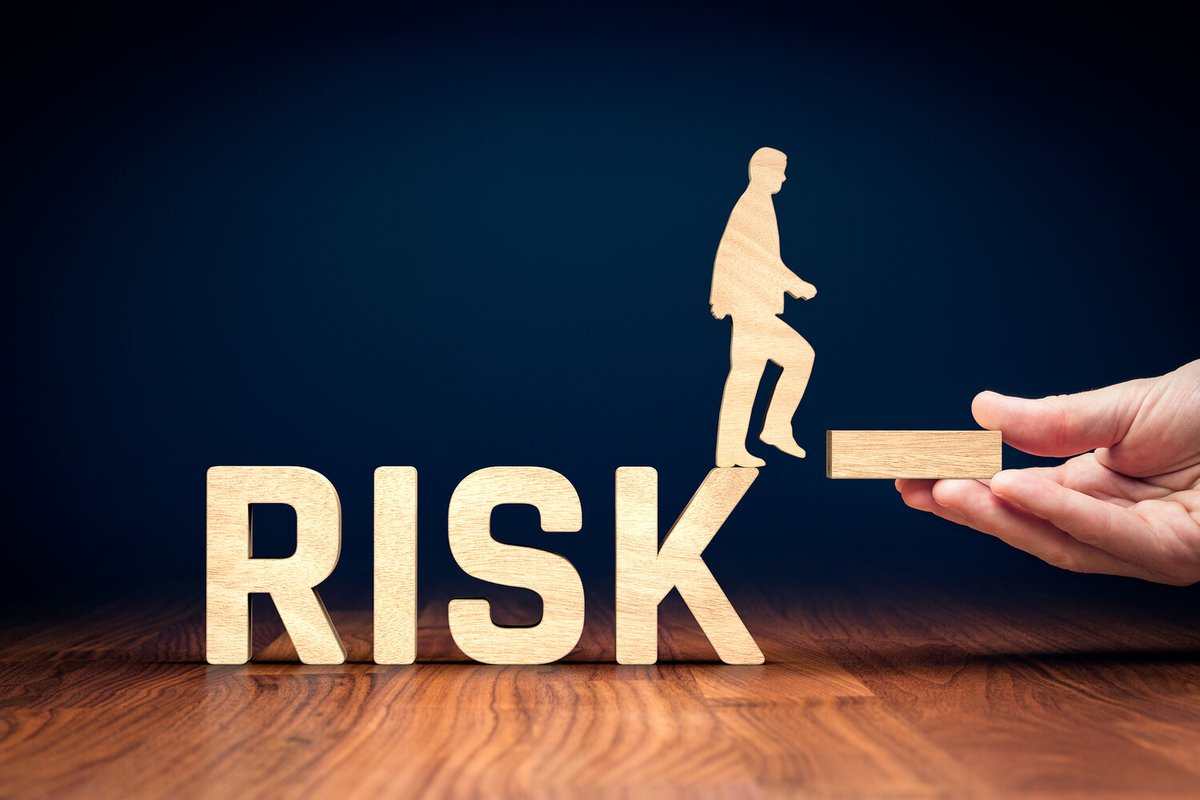
Success in the volatile world of entrepreneurship isn't just about working hard; it's about working smart, thinking boldly, and critically, taking decisive action and calculated risks. Many aspiring innovators shy away from risk, equating it with reckless gambling. But truly impactful growth often demands a willingness to step into the unknown, armed not with blind hope, but with sharp analysis and a clear strategy.
This isn't about throwing caution to the wind. It's about meticulously evaluating opportunities, weighing potential rewards against inherent risks, and then making informed, strategic moves that propel you forward. It’s the difference between a high-stakes poker player who understands probabilities and a novice who shoves all their chips in on a whim.
At a Glance: Mastering Decisive Action & Calculated Risks
- Calculated risks are informed, strategic choices, not impulsive gambles.
- They are essential for significant growth, innovation, and staying competitive.
- Thorough research and risk mitigation are your foundational tools.
- Embrace a growth mindset and view failures as valuable learning experiences.
- Develop a bias for action, prioritizing smart movement over endless analysis.
- Real-world examples like Airbnb and Tesla illustrate the power of calculated risk-taking.
- Even in high-stakes fields like biotech, data-driven decision-making guides massive investments despite high failure rates.
The Indispensable Role of Smart Risks in Business
Why do some ventures soar while others stagnate? Often, it boils down to an organization's — or an individual's — appetite for calculated risk. True innovation rarely blossoms within the confines of absolute certainty. Sticking strictly to what's safe and proven might offer short-term stability, but it’s a direct path to long-term obsolescence.
Calculated risks are the engine of significant growth, pushing boundaries in innovation, and ensuring you remain competitive in a rapidly evolving market. They’re the catalysts for personal and professional development, leading to a profound increase in confidence, sharpening your creative edge, helping you acquire new skills, and ultimately, unlocking higher profit potential. By consciously embracing these types of risks, you learn to overcome the crippling fear of failure, willingly step outside your comfort zone, and become highly adaptable to changing circumstances. Without this strategic courage, your potential remains capped, leading to stagnation.
Calculated Risk vs. Blind Gamble: Knowing the Difference
Before you can take a calculated risk, you must understand what it isn't. This distinction is paramount, separating ambitious foresight from self-sabotaging impulsiveness.
- Calculated Risks are born from diligent homework. They involve thorough analysis, meticulous evaluation of potential outcomes, carefully weighing pros and cons, and making informed decisions based on available data and strategic foresight. The goal is to maximize success by understanding the variables, not ignoring them. You're making a conscious choice to proceed despite inherent risks, because your analysis suggests the potential reward justifies the effort and exposure.
- Blind Gambles, in stark contrast, are impulsive actions taken without proper assessment, consideration of potential consequences, or understanding of the underlying factors. They often rely solely on luck, gut feelings divorced from facts, or a desperate hope. These actions carry a significantly higher likelihood of failure, and unlike calculated risks, offer very little in the way of valuable learning if they don't pan out. Understanding this critical distinction is fundamental for sustainable growth and success; un-calculated risks are a fast track to loss.
Your Blueprint for Decisive Action: Key Strategies for Taking Calculated Risks
Navigating uncertainty successfully isn't innate; it's a skill set you can develop and refine. Here are the core strategies that empower entrepreneurs and leaders to take calculated risks with confidence:
1. Become a Research Hound: Thorough Analysis is Your Compass
Before any significant leap, you need to understand the terrain. This means comprehensive market research to identify emerging trends, truly understand customer needs, and assess the feasibility of your ventures. Dive deep into analyzing potential outcomes, estimating their likelihood, gauging their impact, and scrutinizing existing solutions. Think of yourself as a detective, gathering every piece of evidence before making an informed judgment.
2. Master Risk Assessment & Mitigation
Every opportunity carries an inherent shadow of risk. Your job is to shine a light on it. Identify all potential risks – whether they're related to market demand, intense competition, financial constraints, regulatory hurdles, or technical challenges. Analyze both their likelihood of occurring and their potential impact if they do. Then, develop proactive strategies to reduce or eliminate those risks. This could mean creating robust contingency plans, developing backup solutions, securing appropriate insurance, diversifying your investments, or starting with small-scale pilot projects to test the waters without betting the farm.
3. Strategic Planning: Map Your Course
A calculated risk isn't a random jump; it's a planned expedition. Outline clear, measurable objectives and set realistic targets. Develop a detailed roadmap that includes actionable steps and specific timelines. This plan acts as your guide, allowing you to track progress, anticipate obstacles, and make adjustments along the way. Without a plan, even the smartest risk can devolve into a gamble.
4. Embrace Failure as Your Toughest Teacher
The fear of failure paralyzes more potential than any other single factor. Shift your perspective: view failures not as setbacks, but as invaluable learning experiences that help you refine your ideas and strategies. Every "failed" experiment yields data that can inform your next, more successful attempt. Be willing to pivot strategies when necessary, recognizing that stubborn adherence to a flawed plan is far more damaging than admitting a mistake and changing course.
5. Test, Learn, and Iterate Constantly
The modern business landscape rewards agility. Don't launch a full-scale assault without reconnaissance. Experiment with ideas, test prototypes, and gather feedback from real users or the market. Use this crucial feedback to refine your strategies and make necessary adjustments before committing significant resources. This iterative approach minimizes upfront risk and maximizes your chances of success.
6. Develop a Bias for Action
In today's fast-paced world, time is a precious commodity – often your most significant competitive advantage. While thorough analysis is vital, there's a point where prolonged deliberation turns into paralysis. Prioritize taking decisive actions over endless analysis. Recognize when you have enough information to make an informed decision and then act. The market doesn't wait for perfection.
7. Foster a Culture of Innovation
If you lead a team or an organization, cultivate an environment where experimentation, intelligent risk-taking, and creativity are not just tolerated but actively encouraged. Provide the necessary resources, psychological safety, and support for new ideas to flourish. A fear-based culture that punishes mistakes will stifle the very innovation needed to thrive.
8. Encourage Diversity of Thought
Don't operate in an echo chamber. Actively seek out and surround yourself with people from different backgrounds, experiences, and perspectives. Diverse teams challenge assumptions, uncover blind spots, and generate a wider array of unique and innovative solutions. This collective intelligence strengthens your ability to assess risks and opportunities comprehensively.
9. Build a Strong Network & Seek Expert Advice
You don't have to go it alone. Leverage the wisdom and experience of mentors, trusted advisors, and like-minded individuals. They can offer invaluable guidance, provide objective feedback, and even open doors to new opportunities you might not have discovered otherwise. A strong network is a powerful safety net and a springboard for growth.
10. Embrace a Growth Mindset
Stay perpetually curious and open to new ideas. Cultivate a mindset that sees challenges as opportunities for learning and development. Continuous learning and adaptability to changing market dynamics are non-negotiable for anyone looking to navigate and capitalize on calculated risks. For more insights on developing this kind of adaptive thinking, you might find value in exploring resources that discuss how adaptability drives progress.
11. Cultivate Psychological Resilience
The entrepreneurial journey is a rollercoaster, filled with exhilarating highs and challenging lows. Develop robust mental resilience to navigate these fluctuations. Techniques like positive affirmations, visualization of success, and practicing self-compassion can fortify your mental fortitude, helping you bounce back from setbacks and maintain perspective.
12. Monitor Risks Continuously
Risk assessment isn't a one-time event. The landscape changes, and so do the risks. Regularly update your risk assessments and management plans. Establish feedback loops and use data analysis to monitor the effectiveness of your mitigation strategies and identify new potential threats or opportunities as they emerge.
13. Expand Your Comfort Zone Incrementally
Becoming a calculated risk-taker is like building a muscle. Start with manageable risks that cause a slight discomfort, then gradually increase the challenge level. Purposefully seek situations that push your boundaries moderately. This methodical approach builds confidence and capability without overwhelming you. For a deeper understanding of pushing your boundaries in a strategic way, you might look into the principles of growth-driven thinking.
14. Look for Inspiration Beyond Your Industry
Don't limit your perspective. Gain fresh ideas and novel solutions by examining how other fields and industries tackle similar challenges. Cross-pollination of ideas can spark unexpected innovations and provide new frameworks for assessing and managing risks. The solution to your problem might be thriving in a completely unrelated sector. This outside-the-box thinking is often highlighted in discussions about optimizing for growth beyond conventional wisdom.
Real-World Trailblazers: When Calculated Risks Pay Off Big
History is replete with examples of individuals and companies that defied the status quo by taking smart, strategic chances.
- Airbnb: Brian Chesky and Joe Gebbia identified a gap in the hospitality market for affordable, unique accommodations. They risked disrupting the traditional hotel model by asking people to open their homes to strangers. It was a calculated risk based on changing consumer preferences and the rise of the sharing economy, and it revolutionized travel.
- Tesla: Elon Musk entered the electric vehicle market when it was largely dismissed as a niche, expensive, and impractical alternative. He took a calculated risk by investing heavily in innovative battery technology and premium design, challenging established automotive giants.
- Netflix: From DVD-by-mail, Netflix made the daring, calculated move to invest massively in streaming content online and, later, in original programming. This wasn't a blind leap; it was a response to evolving technology and consumer behavior, disrupting the entire video rental and entertainment industry.
- Amazon (Jeff Bezos): Starting as an online bookstore, Bezos envisioned a future where anything could be bought online. His calculated risks involved continuous expansion into various industries like e-commerce, cloud computing (AWS – a massive internal calculated risk that became a major revenue driver), and streaming services, always prioritizing long-term market dominance over short-term profits.
- Elon Musk (SpaceX, Tesla, Neuralink): A serial risk-taker, Musk consistently invests in groundbreaking, capital-intensive ventures like electric cars, reusable rockets, and brain-computer interfaces. These are not blind gambles but highly calculated risks, leveraging cutting-edge engineering and a profound vision, even in the face of immense financial and technical hurdles.
- Oprah Winfrey: After overcoming numerous career challenges, Oprah took the calculated risk of launching her own network, magazine, and book club. She leveraged her immense personal brand and understanding of her audience to build a media empire on her own terms, demonstrating agency and strategic expansion.
- Malala Yousafzai: Her consistent advocacy for girls' education, despite direct threats, represents a profound personal calculated risk. She understood the immense danger but weighed it against the vital importance of her message and the potential for global impact.
These stories aren't about recklessness; they're about foresight, conviction, and the courage to act on meticulously researched opportunities.
The High Stakes of Biotech: A Case Study in Calculated Risk (with Numbers)
For a concrete illustration of calculated risks, look no further than the biotechnology sector, particularly clinical trials. This is an arena where the potential rewards are astronomical, but the risks are equally immense.
Clinical trials are the gateway to market approval and commercialization for new drugs. They offer potential high returns for investors who back promising candidates, as success demonstrates safety and efficacy, creating immense value, competitive advantage, and attracting partnerships.
But the numbers tell a stark story:
- Costs and Timelines: Developing a new drug from initial discovery to market approval is an incredibly long and expensive journey. It costs an estimated $2.6 billion and takes an average of 10 years. This is a colossal upfront investment for a chance at a return.
- Failure Rates: Despite the rigorous science, only about 14% of drugs that enter clinical trials are eventually approved by the FDA. The vast majority – 86% – fail at various stages, with failure rates varying significantly by phase and indication. A drug might look promising in Phase I, only to fail in Phase III due to lack of efficacy or unforeseen side effects.
Yet, investors and companies continue to pour billions into this sector, drawn by the transformative potential and the sheer size of the market for successful drugs. This is a classic example of calculated risk-taking, where deep scientific understanding, strategic portfolio management, and a long-term view guide investments despite overwhelming odds.
Biotech ETFs (as of October 31, 2023): A Glimpse at Performance
Even within the high-risk biotech sector, strategic investment vehicles exist. Biotech Exchange Traded Funds (ETFs) allow investors to diversify across many biotech companies, hedging individual drug trial risks. - SPDR S&P Biotech ETF (XBI): +18.7% YTD return, tracking 131 companies, with 28% in early-stage (Phase I/II) trials.
- iShares Nasdaq Biotechnology ETF (IBB): +12.4% YTD return, representing 274 companies, with 19% in Phase I/II trials.
- ARKG (ARK Genomic Revolution Multi-Sector ETF): +25.3% YTD return, with a significant 41% allocation to companies in Phase I/II trials.
These ETFs, despite their exposure to high-volatility early-stage research, outperformed the broader S&P 500 index (+10.2% YTD return as of Oct 31, 2023) during that period. This highlights the potential for substantial gains when calculated risks are taken, even if they come with inherent high volatility and uncertainty. Investors here are making calculated bets on the portfolio of innovations, not just individual drugs. For a deeper dive into market dynamics and investment strategies, you might want to explore resources discussing how to maximize investment impact in volatile markets.
Cultivating Your Risk-Intelligent Mindset
Ultimately, the ability to take decisive action and calculated risks isn't just a set of strategies; it's a mindset. It’s about building a robust internal framework that allows you to assess, plan, execute, and learn, regardless of the outcome.
- Embrace Uncertainty: Recognize that perfect information is rarely available. The goal isn't to eliminate uncertainty but to understand and manage it.
- Practice Decisiveness: Start small. Make quicker decisions in low-stakes situations. This builds the muscle memory for when bigger decisions demand speed and conviction.
- Reflect and Learn: After every significant decision, successful or not, take time to reflect. What went well? What could have been done differently? What did you learn about your process, your assumptions, and the market? This continuous feedback loop is where true mastery develops.
- Manage Emotional Responses: Don't let fear dictate your actions, nor overconfidence blind you. Emotional intelligence plays a huge role in rational risk assessment. For more on the emotional aspects of decision-making, consider insights from understanding the fear factor in business.
The journey of an entrepreneur, innovator, or leader is defined by the choices made when the path isn't clear. By diligently applying the strategies for taking decisive action and calculated risks, you transform yourself from a hesitant bystander into a proactive architect of your own success. You move beyond merely hoping for growth and actively create it, one informed, strategic leap at a time.