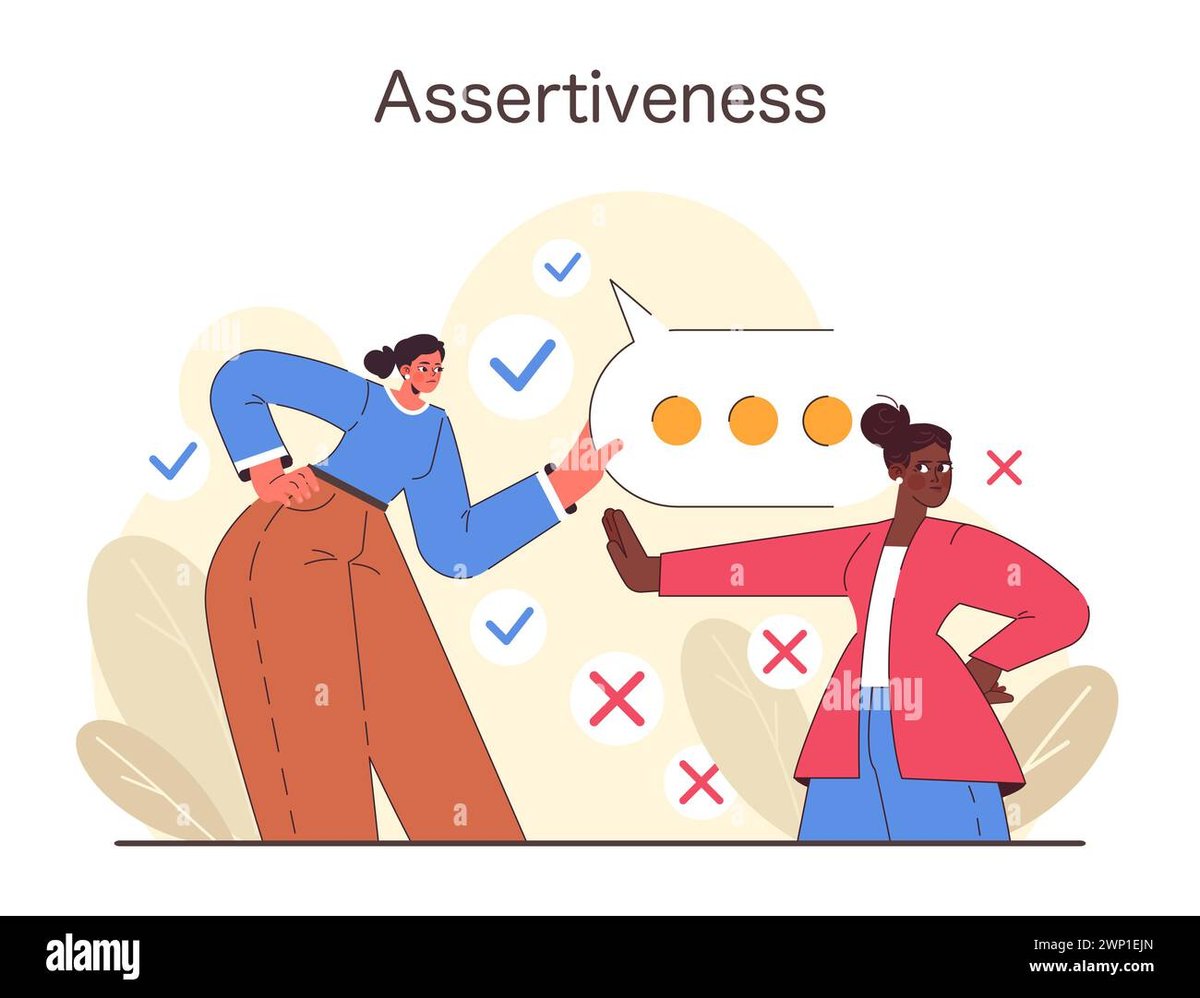
When you imagine someone who communicates "boldly," what comes to mind? Is it a brash, demanding voice, or a calm, clear presence? True Bold Communication & Assertiveness isn't about overpowering others; it's about confidently expressing your truth while deeply respecting the truths of those around you. It's the sweet spot where clarity meets courtesy, and confidence pairs with consideration, leading to interactions that are not just heard, but valued.
Ready to transform how you speak and listen, at work, at home, and everywhere in between? Let's dive in.
At a Glance: Your Path to Assertive Communication
- Understand the Spectrum: Recognize how passive, aggressive, and passive-aggressive styles differ from genuine assertiveness.
- Build Your Foundation: Learn the core elements: clear expression, confident delivery, and emotional control.
- Unlock Key Benefits: See how assertiveness improves relationships, reduces stress, and boosts self-esteem.
- Follow Actionable Steps: Discover practical techniques like "I" statements, setting boundaries, and active listening.
- Practice with Purpose: Get ready to apply new skills in real-world scenarios, starting small and building momentum.
Beyond the Buzzword: What is Bold & Assertive Communication, Really?
In a world that often praises extremes, assertive communication stands as a powerful testament to balance. It’s the art of expressing your thoughts, feelings, and needs directly, honestly, and respectfully, without infringing on the rights or dignity of others. Think of it as a firm handshake: clear, confident, and professional, acknowledging both parties.
This isn't about winning an argument or always getting your way. It's about ensuring your voice is heard, your boundaries are understood, and your perspective is considered, all while you extend the same courtesy to others. It fosters an environment of psychological safety and open dialogue, where everyone feels safe to contribute.
The Communication Styles Spectrum: Where Do You Stand?
Before we can master assertive communication, it helps to understand what it isn't. Most of us lean into one of four primary communication styles, often switching between them depending on the situation or the person we're interacting with. Recognizing your default mode is the first step toward consciously choosing assertiveness.
1. The Quiet Retreat: Passive Communication
Imagine someone consistently agreeing to things they don't want to do, or staying silent even when they have a valuable idea. That’s passive communication. It often stems from a fear of conflict, a lack of self-confidence, or a desire to please others above all else.
- Characteristics: Avoiding eye contact, soft speech, frequent apologies, submissive body language (slumped shoulders, hesitant gestures).
- Impact: Leads to feelings of resentment, being undervalued, and unexpressed needs. Others might walk all over them without realizing it.
- Example: "It doesn’t matter to me; whatever you want is fine." (Even if it’s not fine).
2. The Overpowering Force: Aggressive Communication
On the opposite end, aggressive communication is about dominating and controlling. It's characterized by hostility, intimidation, and a disregard for the feelings or rights of others. This style is often born from insecurity or a belief that one must "win" at all costs.
- Characteristics: Loud or demanding voice, intense eye contact (staring), interrupting, using threats, insults, or demeaning language.
- Impact: Creates fear, resentment, and a breakdown of trust. While the aggressive person might get their way in the short term, it damages relationships and prevents true collaboration.
- Example: "You’re wrong, and I know better. Just do what I said."
3. The Subtle Saboteur: Passive-Aggressive Communication
This is the sneaky sibling of aggressive communication. Passive-aggressive communicators avoid direct confrontation but express their negative feelings or needs indirectly, often through sarcasm, procrastination, or backhanded compliments.
- Characteristics: Cynical remarks, deliberate procrastination, "forgetting" tasks, subtle sabotage, resentful compliance, sulking.
- Impact: Breeds confusion, mistrust, and unresolved tension. People often feel manipulated or unsure where they stand.
- Example: "Sure, I’ll do it, but don’t expect it to be done well." (Said with a sigh and an eye-roll).
4. The Balanced Bridge: Assertive Communication
And finally, the sweet spot. Assertive communication is about clarity, confidence, and respect. It's the ability to articulate your needs, feelings, and opinions without demeaning others, and equally, to listen to and respect the needs and opinions of others without diminishing your own.
- Characteristics: Clear, firm, calm voice; direct eye contact (but not staring); open, confident body language; respectful tone; active listening.
- Impact: Fosters mutual respect, reduces misunderstandings, builds healthy relationships, and improves problem-solving. It's strongly linked to higher self-esteem and reduced stress.
- Example: "I noticed your portion of the report is late. I’m concerned because we need to wrap this up ahead of Thursday’s meeting. Can you let me know a specific time and date when it’ll be done?" (Notice the focus on the behavior, the feeling, and the desired outcome, without judgment or blame).
The Anatomy of Assertiveness: Core Elements in Action
Assertive communication isn't just a style; it's a practice built on fundamental principles. When you strip away the nuances, you'll find three core elements that make it effective:
1. Clear: Speak Your Truth Plainly
No beating around the bush, no hints, no hoping others will read your mind. Clear communication means expressing your thoughts, feelings, and needs directly and unambiguously. This doesn't mean being blunt or harsh; it means being precise.
- In Action: Instead of "Maybe we should think about changing this a bit?", try "I believe we need to revise this section to strengthen our argument." Be specific about what you mean and what you want.
2. Confident: Deliver Your Message with Conviction
Confidence isn't about being loud; it's about belief in your own validity. When you communicate assertively, you deliver your message with self-assurance, showing that you value your perspective and expect it to be taken seriously. This confidence comes through in your voice, posture, and choice of words.
- In Action: Stand tall, make eye contact, and use a steady, moderate tone. Avoid qualifiers like "I just think..." or "I'm not sure, but..." Instead, "I'm confident this approach will yield better results."
3. Controlled: Keep Your Emotions in Check
Assertiveness thrives in a calm emotional state. While it's crucial to express your feelings, doing so in a controlled manner prevents aggressive outbursts or passive retreats. Staying composed allows for rational discussion and ensures your message isn't lost in a wave of emotion.
- In Action: If you feel anger or frustration rising, take a deep breath. Acknowledge your emotion ("I feel frustrated by this delay") but don't let it dictate your words or tone. Focus on the facts and the desired resolution.
Why Bother? The Real-World Rewards of Bold Communication
Embracing assertiveness isn't just about sounding more confident; it's about fundamentally improving your quality of life and relationships. The benefits ripple through every aspect of your personal and professional world.
- Fosters Open Dialogue and Psychological Safety: When people know they can express themselves honestly without fear of reprisal, true collaboration flourishes. This makes teams more innovative and relationships more resilient.
- Improves Conflict Resolution: Assertiveness tackles issues head-on, addressing root causes directly. This reduces misunderstandings and prevents minor disagreements from escalating into major problems. For tips on mastering difficult conversations, understanding assertiveness is your first step.
- Builds Stronger, More Authentic Relationships: True connections are built on honesty and mutual respect. Assertive communication allows you to show up authentically, leading to deeper trust and understanding with friends, family, and colleagues.
- Reduces Stress and Anxiety: Holding back your thoughts and feelings is exhausting. Assertiveness allows you to release that mental burden, leading to less stress and a greater sense of peace.
- Increases Self-Confidence and Self-Respect: Every time you successfully communicate assertively, you reinforce your belief in your own value and rights. This positive feedback loop is crucial for building your self-esteem over time.
- Leads to Better Decision-Making: When you can clearly articulate your needs and preferences, decisions, whether personal or professional, are more likely to align with your values and goals.
Your Step-by-Step Guide to Becoming More Assertive
Developing assertiveness is a journey, not a destination. It requires self-awareness, practice, and a willingness to step outside your comfort zone. Here’s how to start building this invaluable skill.
Know Your Personal Compass: Understanding Your Rights & Needs
Before you can communicate assertively, you need to know what you want to assert. Take time to reflect on your thoughts, feelings, and needs. What are your boundaries? What do you truly believe? What outcome are you seeking? Recognize that you have an inherent right to express yourself, to say "no," and to ask for what you want. Your feelings and needs are valid.
- Action: Before a potentially challenging conversation, jot down: "What am I feeling?", "Why am I feeling this?", and "What do I want to happen as a result of this conversation?"
Speak Your Truth Without Blame: The Power of "I" Statements
"You always interrupt me!" immediately puts someone on the defensive. Contrast that with, "I feel unheard when I'm interrupted." This is the power of "I" statements. They focus on your experience and feelings, taking ownership of your emotions without blaming or accusing the other person.
- Formula: "I feel [emotion] when [specific behavior] because [impact on you], and I need [desired outcome/action]."
- Example: "I feel frustrated when project deadlines are missed because it impacts my ability to complete my work on time, and I need you to communicate any delays in advance."
Command Presence: Nonverbal Cues That Speak Volumes
Your words are only part of the message. Your body language, tone of voice, and eye contact carry immense weight. To project confidence and control, align your nonverbal communication with your assertive message.
- Body Language: Stand or sit tall with open posture (uncrossed arms). Keep your hands visible, perhaps resting them naturally.
- Voice: Use a clear, firm, and calm tone. Avoid mumbling or raising your voice defensively. A steady pace suggests confidence.
- Eye Contact: Maintain direct eye contact for about 60-70% of the conversation. This shows engagement and sincerity without being aggressive.
Empathy in Action: Respecting Others While Asserting Yourself
Assertiveness isn't a monologue; it's a dialogue. Part of bold communication is choosing the right time and place and considering the other person's readiness. Asking for permission shows respect and increases the likelihood of a positive reception.
- Action: For sensitive topics, suggest a one-on-one meeting. Start by asking, "Are you open to some feedback right now?" or "Do you have a few minutes to discuss something important?" Also, be mindful that everyone has different communication styles, so adjust your approach slightly while remaining true to your assertive core.
Draw Your Line in the Sand: Setting Clear Boundaries
Boundaries are essential for protecting your time, energy, and emotional well-being. Assertively setting boundaries means clearly and respectfully communicating what you will and will not accept in your interactions. This creates balanced, healthy relationships.
- Action: Instead of "I guess I can try," say, "I can take on X, but I won't be able to do Y this week." Or, "I need to decline that request; my plate is full right now." Explore the art of setting healthy boundaries to empower yourself further.
Listen to Understand, Not Just to Reply: The Art of Active Listening
Assertive communication is a two-way street. When others respond or challenge your ideas, commit to listening empathetically. Don't interrupt, don't formulate your rebuttal while they're speaking, and don't dismiss their perspective.
- Action: Practice paraphrasing what you've heard: "So, if I understand correctly, you're concerned about [their point]. Is that right?" This ensures understanding and shows you value their input. Want to become a master listener? Check out our guide on honing your listening skills.
Practice Makes Progress: Rehearsing Your Assertive Voice
Like any new skill, assertiveness improves with practice. Start in low-stakes situations to build confidence. The more you practice, the more natural it will feel.
- Action: Role-play difficult conversations with a trusted friend. Rehearse what you want to say in front of a mirror, paying attention to your nonverbal cues. Start small: assert yourself in a restaurant order, or decline a minor request from a friend.
Don't Go It Alone: Seeking Support for Your Journey
If you find yourself consistently struggling to be assertive, or if past experiences have made communication particularly challenging, consider seeking professional guidance. A therapist or coach can provide structured support, tools, and personalized strategies.
- Action: Research local therapists specializing in communication skills or executive coaches who can help you develop leadership presence through assertive communication.
Common Pitfalls to Avoid on Your Assertiveness Journey
As you embark on becoming more assertive, you might stumble into a few common traps. Being aware of these can help you navigate your path more smoothly.
- Mistaking Assertiveness for Aggression: The biggest pitfall. Remember, assertiveness respects both your rights and the rights of others. Aggression disregards others' rights. Check your intention: are you trying to express yourself, or to win/dominate?
- Over-Apologizing: While politeness is good, excessive apologizing (e.g., "I'm so sorry, but I just wanted to say...") can undermine your message and project insecurity. Be confident in your right to speak.
- Waiting for the "Perfect" Moment: There's rarely a perfect time for a difficult conversation. Delaying only increases anxiety and can make the issue worse. Choose an appropriate time, not necessarily a perfect one.
- Not Following Through on Boundaries: Setting a boundary is one thing; maintaining it is another. If you state a boundary and then immediately allow it to be crossed, you teach others that your "no" isn't firm. Consistency is key.
- Using Assertiveness as a Weapon: Some might use newfound assertiveness to settle old scores or to suddenly dominate conversations. This misapplication can alienate people and destroy trust, transforming assertiveness into passive-aggression or outright aggression. Remember, the goal is mutual respect.
Real-Life Scenarios: Putting Assertiveness into Practice
Let's look at how assertiveness plays out in common situations.
Scenario 1: Providing Critical Feedback at Work
You have a team member whose consistent lateness is impacting project timelines.
- Passive: (Says nothing, works harder to cover, grows resentful).
- Aggressive: "You're always late! Get it together or there will be consequences!"
- Passive-Aggressive: "Oh, look who decided to grace us with their presence. Maybe the project will get done someday."
- Assertive: "Sarah, can we chat for a moment? I've noticed you've been arriving late recently. I'm concerned because it delays our morning stand-ups and impacts our team's productivity. I need you to be on time going forward. Can we discuss any challenges you might be facing that are contributing to this?" This approach is a cornerstone of navigating workplace communication effectively.
Scenario 2: Saying "No" to an Extra Request
Your boss asks you to take on a new, urgent task, but your current workload is already overwhelming.
- Passive: "Sure, I guess I can try, even though I'm swamped." (Then burns out trying to do it all).
- Aggressive: "Absolutely not! I'm not a miracle worker, you know."
- Passive-Aggressive: "Okay, but don't expect it to be perfect. I have too much already."
- Assertive: "Thank you for thinking of me for this, but my current priorities (X, Y, Z) mean I don't have the capacity to take on anything new with the quality it deserves right now. Would you like me to deprioritize one of my current tasks to make room for this, or can we explore other options for this new project?"
Scenario 3: Disagreeing with a Friend's Plan
Your friend suggests an activity you genuinely don't enjoy.
- Passive: "Sounds great!" (Then feels miserable and resentful during the activity).
- Aggressive: "That's a terrible idea! Why would you even suggest that?"
- Passive-Aggressive: "Oh, that's... interesting. Have fun with that." (Then cancels last minute with a flimsy excuse).
- Assertive: "I appreciate you inviting me, but actually, [activity] isn't something I really enjoy. I'd love to spend time with you, though. Would you be open to doing [alternative activity] instead?"
Your Next Steps to Confident Communication
Embracing bold and assertive communication is a continuous journey that yields incredible returns. It transforms conflict into understanding, hesitant whispers into clear statements, and strained relationships into authentic connections. Remember, it's not about being aggressive; it's about being clear, confident, and controlled, always respecting the fundamental rights and dignity of everyone involved.
Start small. Pick one interaction this week where you'll consciously apply an "I" statement or practice assertive body language. Observe the difference. Over time, these small shifts will accumulate, empowering you to navigate life with greater clarity, confidence, and respect for yourself and others.
Ready to deepen your understanding and Explore the Bold Party of communication mastery? The journey begins with a single, clear voice. Yours.